About us
 Current Campaigns
 Start a petition
 Donate

Stories of resilience, dignity, and equality from LGBT+ Ukrainians fighting for their democracy, their loved ones, and their rights.
As Russia's full-scale invasion enters its fifth year, queer Ukrainians are serving, resisting, surviving, and rebuilding — often without the legal protections others take for granted.
Russia's war on Ukraine has also been an explicit attack on LGBT+ people. On the night Putin launched the full-scale invasion, he gave a speech claiming the war was a response to Western attempts to "utterly destroy" Russia's "traditional values." Russian state media has pumped out anti-LGBT+ propaganda throughout the fighting, and Russian soldiers have targeted queer Ukrainians for sexual violence and other abuse.
But queer Ukrainians are fighting for their country while still being denied basic legal protections. Same-sex partners cannot make medical decisions, bury loved ones, or access survivor benefits. Survivors of anti-LGBT+ violence struggle to see justice.
At a moment when Ukraine’s democratic future is being defined, equality cannot wait.
Stories from The Queer Face of War by J. Lester Feder
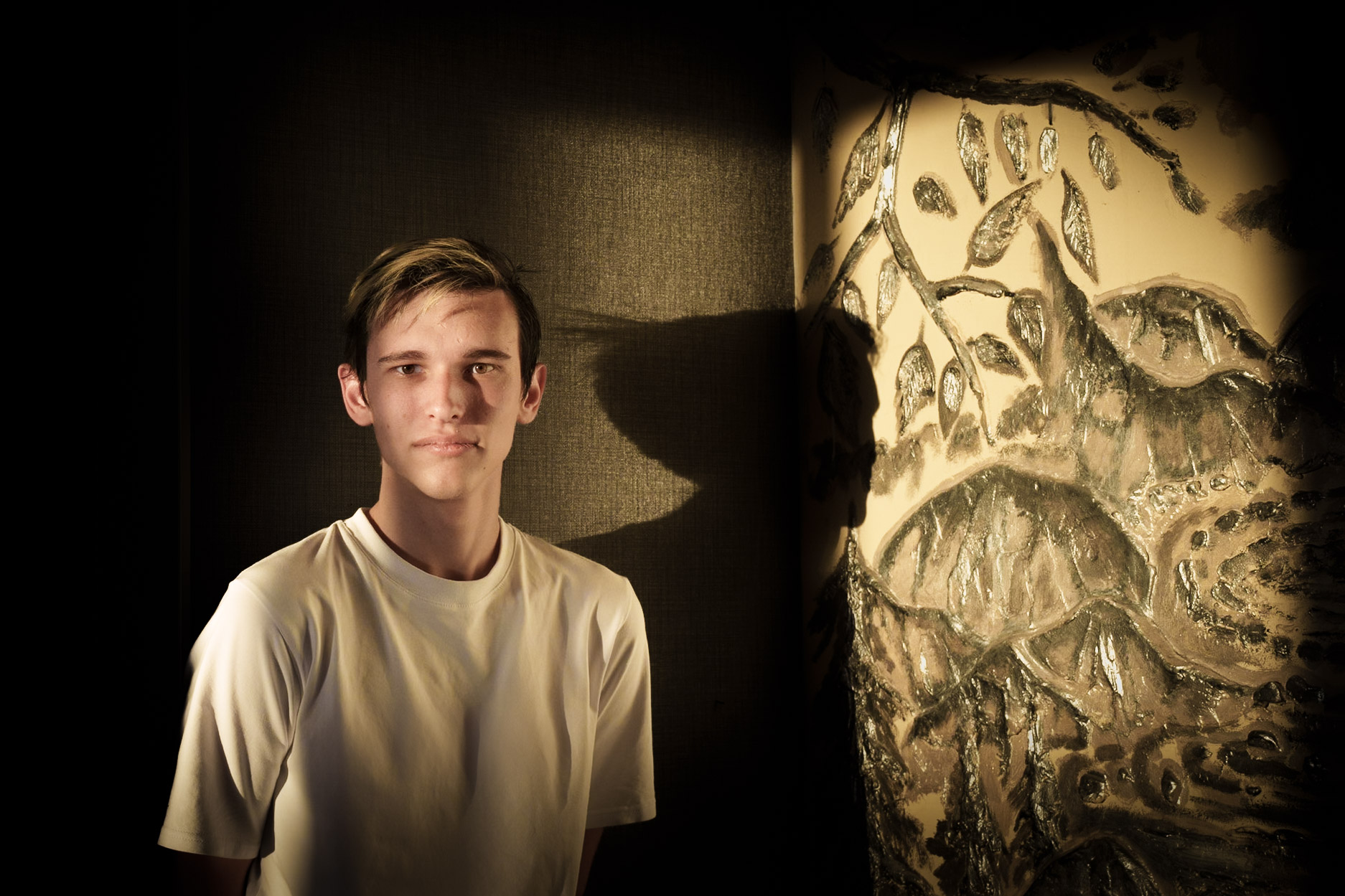
Oleksii Polukhin
Survivor of torture under Russian occupation
Oleksii was detained by Russian forces in occupied Kherson after soldiers searched his phone and found LGBT+ channels. He was publicly humiliated, beaten, and held for two months in a detention center known for torture and sexual violence.
During repeated interrogations, his captors tried to force him to name LGBT+ activists and organizations. He was abused explicitly because he is gay.
Oleksii later became the first openly LGBT+ survivor of Russian detention to give testimony to Ukrainian prosecutors, helping bring war crimes charges against his captors.
Why this matters
When hate crimes are not legally recognized, persecution can go unnamed. Justice for survivors like Oleksii depends on laws that explicitly protect LGBT+ people.
.
Leda Kosmachevska
Partner of a fallen soldier
When Mykhailo was deployed to the front, he asked Leda to marry him. They were not in love. His fear was that if he were killed or gravely injured, no one would be legally allowed to claim his body or make medical decisions for him.
In another country, Mykhailo could have married his long-term boyfriend. In Ukraine, the law offered no protection. Leda agreed to the marriage so she could act as a legal proxy if the worst happened, despite having a partner of her own.
After she shared her decision publicly, her story went viral and helped fuel national debate around civil partnerships.
Why this matters
Without legal recognition, queer Ukrainians are forced into impossible choices simply to protect one another.
:
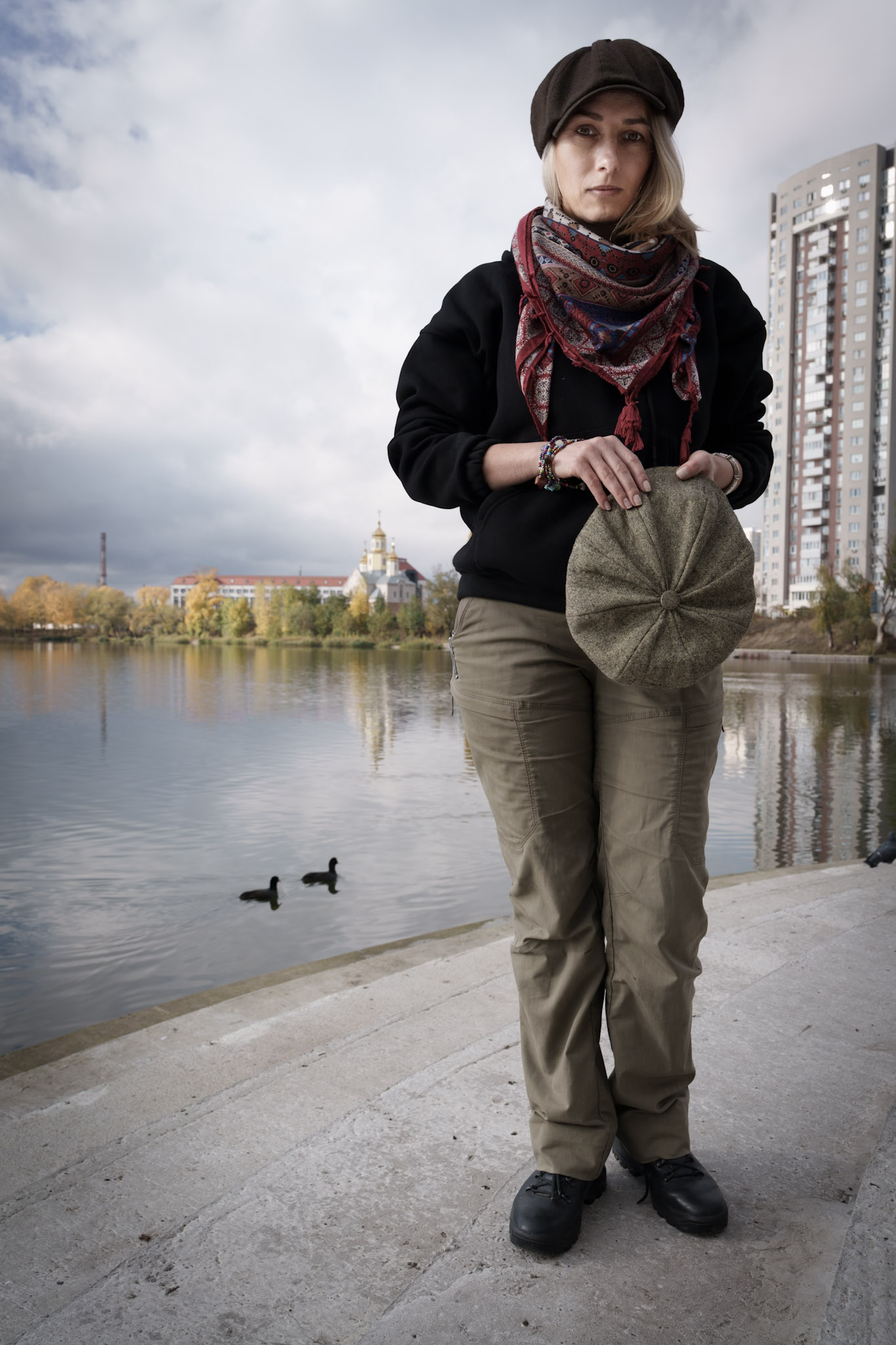
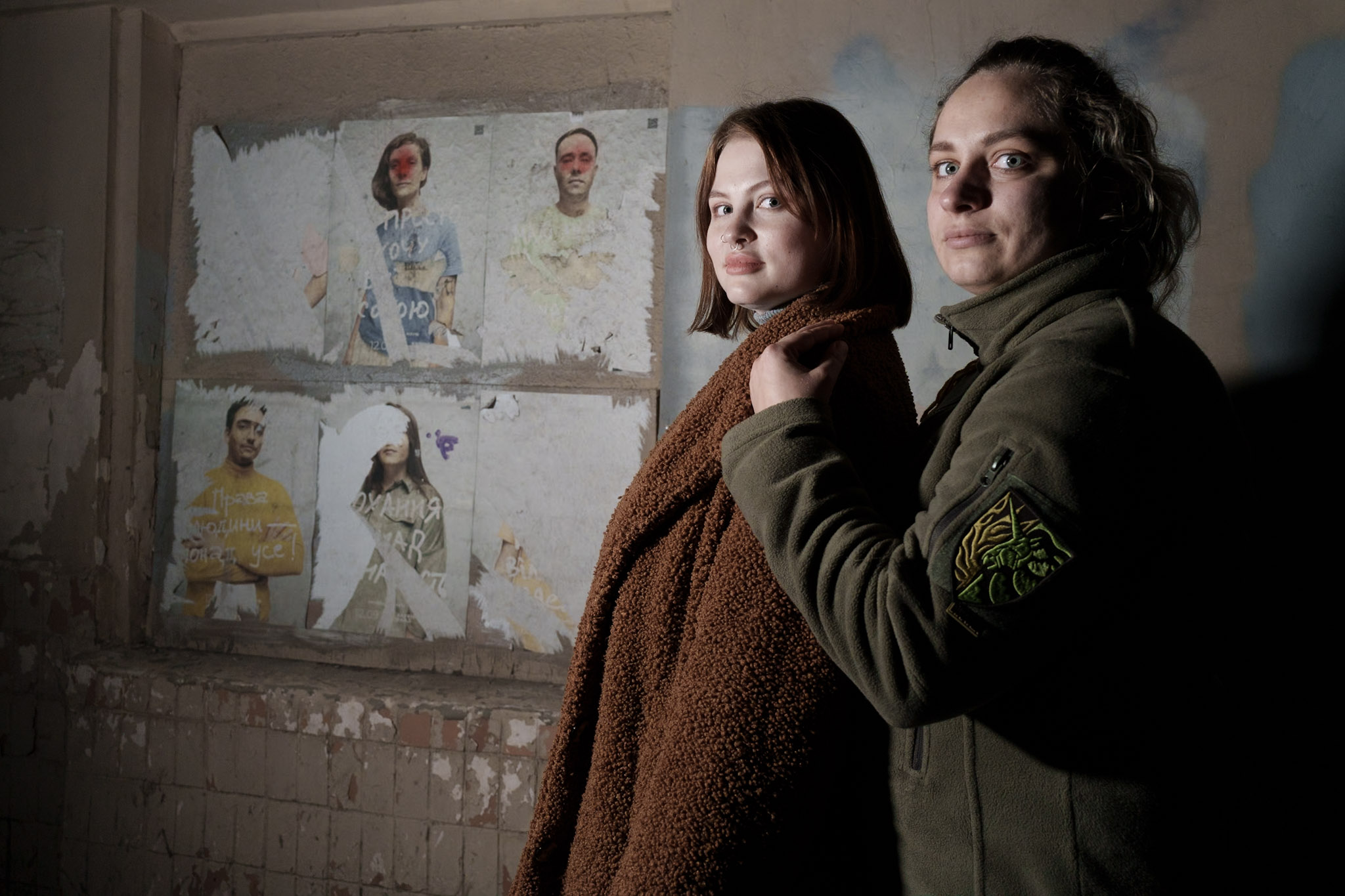
Stasya and Alina
Military couple
Alina has served on the front lines since the start of Russia’s full-scale invasion. Stasya, an LGBT+ activist, returned to Kharkiv to be with her, knowing that every day could bring separation or loss.
Under Ukrainian law, Stasya has no legal rights as Alina’s partner. If something happened, she would not be informed or allowed to make medical decisions.
“Something could happen to Alina, and I wouldn’t even be allowed to go to the hospital,” Stasya said. “Because legally, I am nothing to her.”
In 2023, they staged a mock wedding to demand civil partnership rights. They still hope one day their love will be legally recognized.
Why this matters
Without civil partnerships, queer families remain unprotected — even in war.
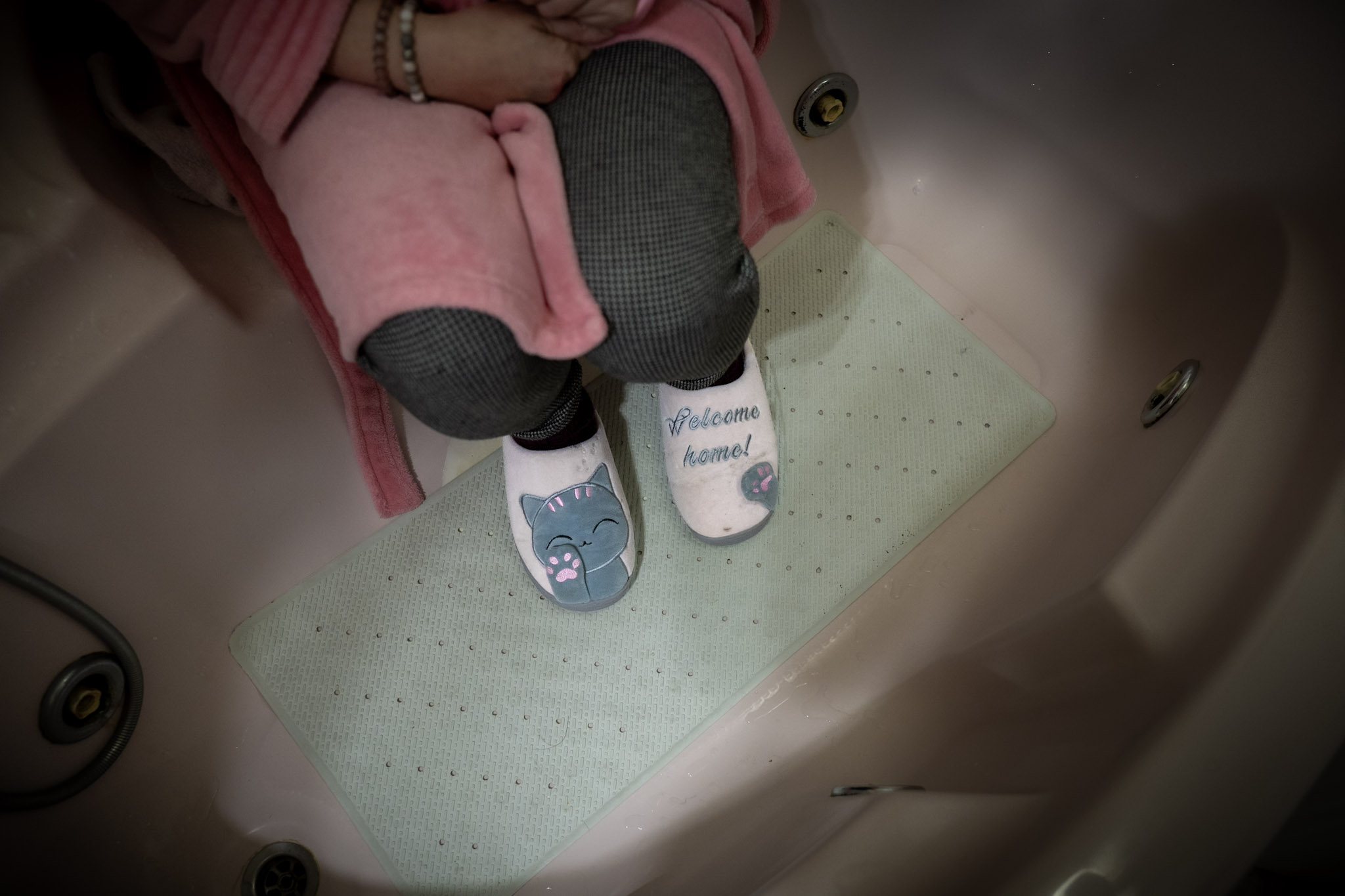
Nadiia Molozhava and Svitlana Hontar
Frontline service and family under fire
When Russia launched its full-scale invasion, Nadiia and Svitlana fled Kharkiv, fearing occupation and violence against lesbian women. They escaped with only what they could carry and eventually found refuge in Kyiv at an LGBT+ shelter run by KyivPride, where they could live openly for the first time.
Svitlana wanted to join Ukraine’s Territorial Defense Forces as a medic. But if she were injured or killed, Nadiia would have no legal right to make medical decisions or claim her partner’s body.
“We’re doing everything we can for our victory,” Svitlana said. “But we have no rights.”
Why this matters
Queer Ukrainians are risking their lives for their country, yet the law still denies their families basic protection.
Equal rights cannot wait
Same-sex couples in Ukraine still lack legal recognition – even as many serve on the frontlines. This leaves partners without basic rights when it matters most.
Support this Ukrainian petition and demand legal recognition of civil partnerships!
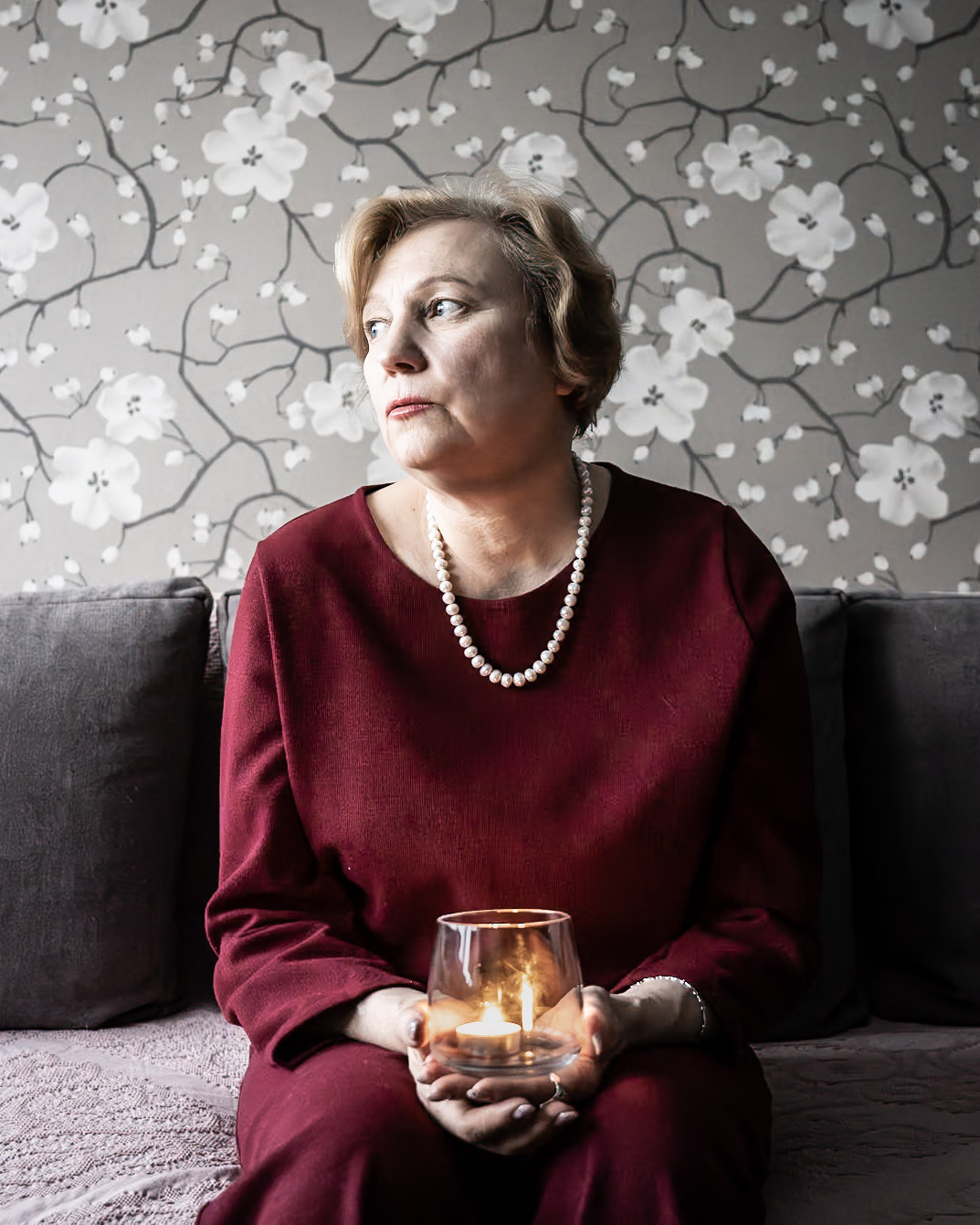
Olena Hloba
Parent, advocate, survivor of occupation
When Russian forces occupied Bucha, Olena survived ten days hiding in her building’s basement as bombs fell. Cut off from help, she eventually escaped by bicycle, crossing a destroyed bridge on foot to reach Ukrainian-held territory.
Olena’s son Bogdan is a LGBTQ+ activist who fled Ukraine years earlier after being threatened with violence. During the occupation, he could do little as his mother disappeared behind Russian lines.
Before the war, Olena overcame her own discomfort with Bogdan’s sexuality to become a leading voice for parents of LGBT+ children, founding a nationwide parents’ network. After Bucha was liberated and the world learned of Russian atrocities there she returned home and continued her advocacy.
“Our LGBT children are soldiers now, and they are fighting for their country,” Olena said. “Maybe their country owes them something?”
Why this matters
Queer Ukrainians and their families are part of the democratic resistance — and their sacrifice demands equal rights and protection.
.
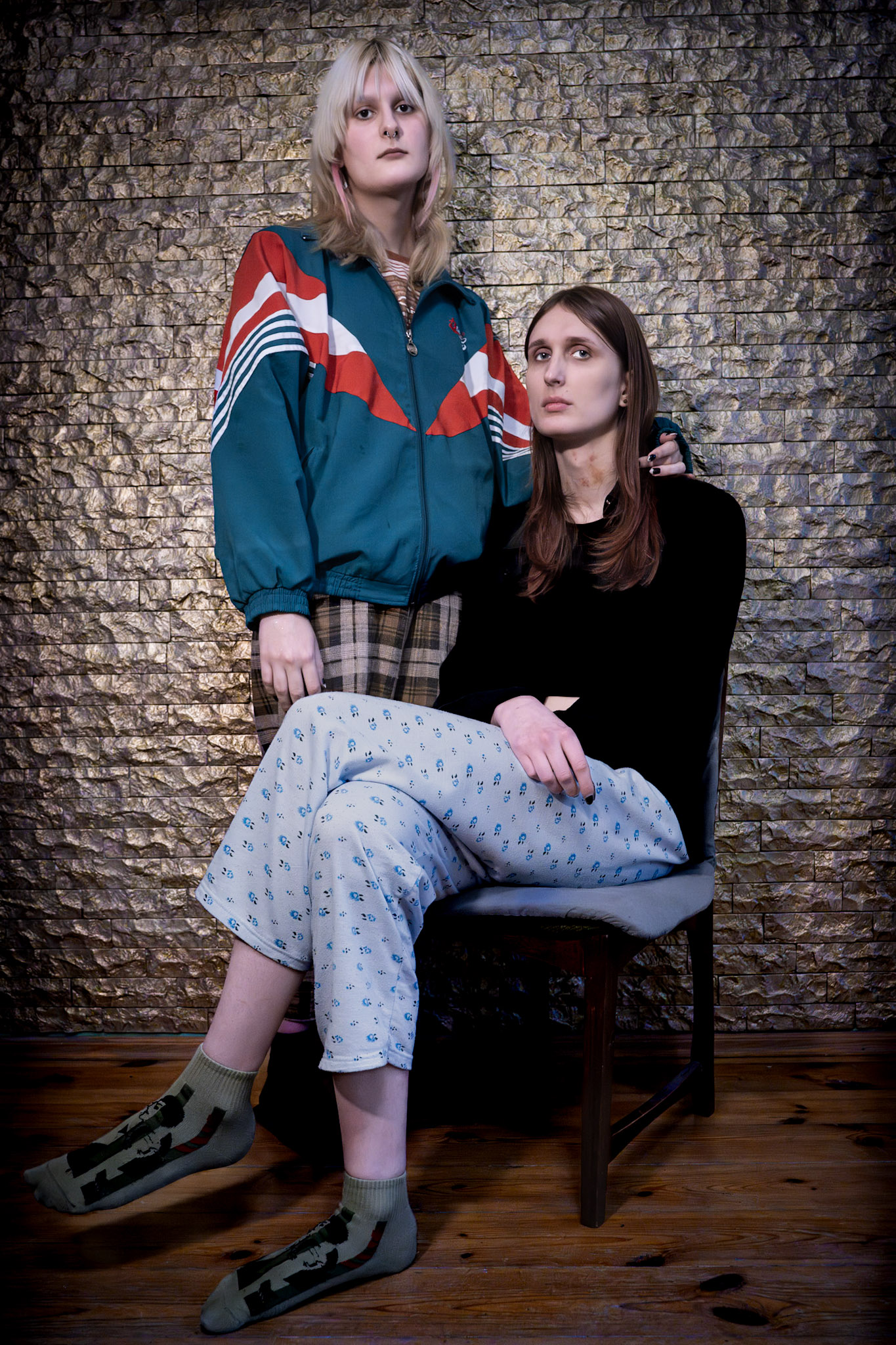
Dana Panasiuk and Anastasia Kotenko
Trans couple navigating wartime bureaucracy
When Russia launched its full-scale invasion, Anastasia tried to flee Ukraine. But as a trans woman whose documents listed her as male and therefore subject to conscription, she was blocked by border officials and forced into a degrading process that treated her identity as a mental illness.
To leave the country, Anastasia had to be institutionalized and assessed by military psychiatrists who openly expressed hostility toward trans people. It took months, multiple organizations, and several doctors to secure the paperwork she needed.
Anastasia later fell in love with Dana, another trans woman. Together, they began navigating the same legal obstacles so they could escape safely as a couple.
Why this matters
Outdated laws and discriminatory systems put trans Ukrainians at risk – even as they flee war. Equality under the law is not abstract; it determines who is safe and who is not.
.
Protection against hate is protection of democracy
Without clear hate crime legislation, survivors of anti-LGBT+ violence struggle to see justice. A bill is now on the table. International pressure matters.
Help strengthen hate crime protections by signing this petition started by Ukrainian activists.
About the project
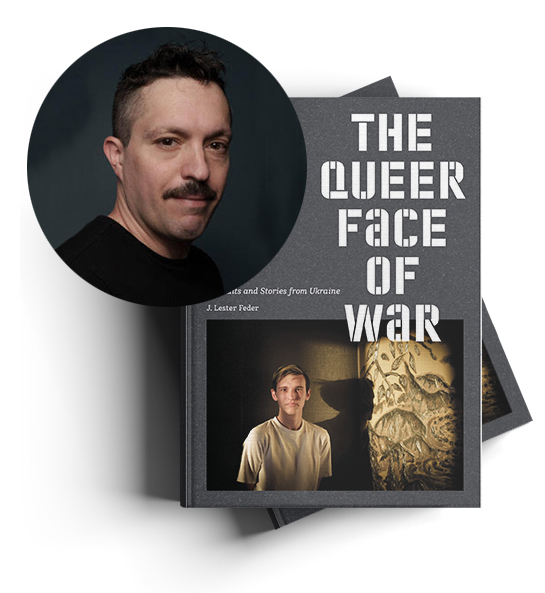
This campaign is supported by All Out as part of our global work to defend the right to love and the right to be free. We are partnering with Ukrainian LGBT+ organizations and amplifying stories from The Queer Face of War to mobilize international support for legal equality and protection in Ukraine.
The Queer Face of War is the first in-depth visual and oral history of an LGBT+ community living through war. Created by award-winning journalist and photographer J. Lester Feder, the project insists on visibility as a form of resistance.
Sign up for Lester's mailing list here to receive the latest updates about the project..
Supported by This campaign is built in collaboration with Ukrainian LGBT+ organizations.
.








Fuel the fight for equality
All Out supports campaigns like this alongside activists on the ground. Your contribution helps sustain long-term work for LGBT+ rights
.
Help keep queer Ukrainians visible – share this campaign.
.